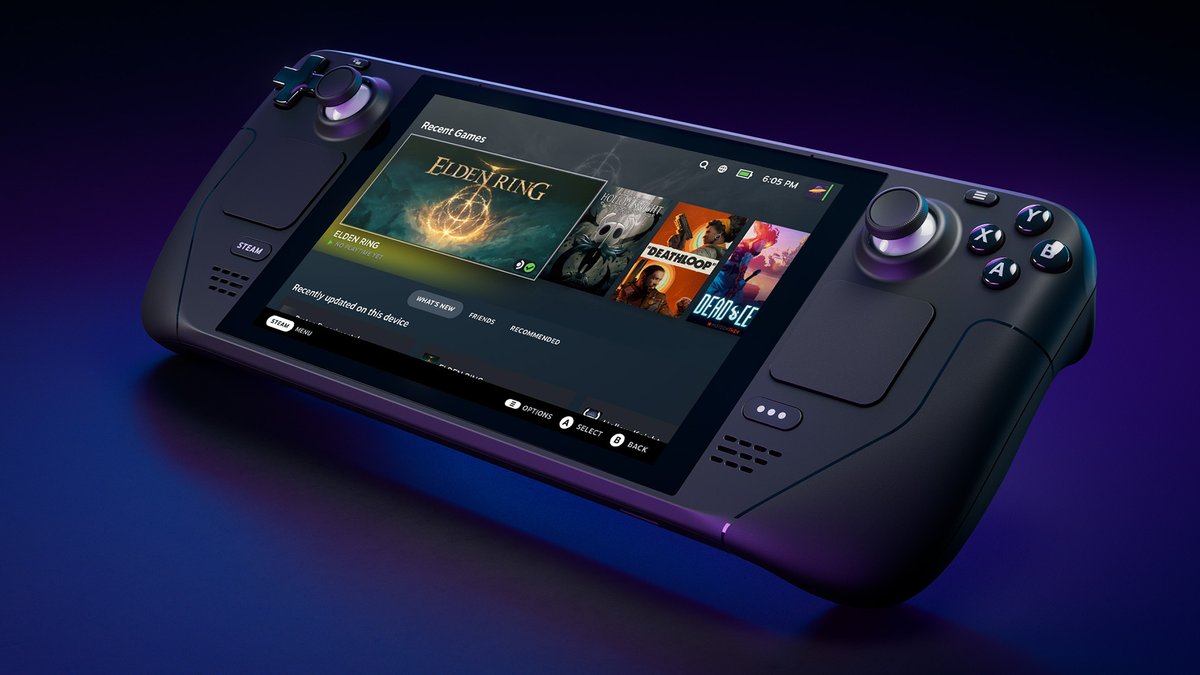
Since its debut in early 2022, the Steam Deck has fundamentally reshaped what we expect from portable gaming. Valve’s innovative handheld promised to put your entire PC game library into your hands, letting you play AAA titles, beloved indies, and everything in between, wherever you go. With tens of thousands of Steam games now verified or playable, it's a compelling proposition for many. But with new models, a growing ecosystem, and an ever-evolving market, the big question remains: Is the Steam Deck truly worth it for your portable PC gaming needs in 2025?
This guide dives deep into every facet of the Steam Deck experience, helping you decide if this versatile device is the right fit for your lifestyle and gaming habits. We'll unpack its capabilities, discuss its nuances, and guide you through the details that matter most.
The Pitch: Why the Steam Deck Might Be Your Next Gaming Companion
At its heart, the Steam Deck is a powerful, customizable PC squeezed into a handheld form factor. It offers unparalleled access to your Steam library, letting you pick up where you left off on your desktop or discover new worlds entirely on the go. For frequent travelers, commuters, or those who simply want to game away from their desk, the freedom it offers is a game-changer.
However, the Steam Deck isn't for everyone. While it boasts a vast library and impressive performance for a handheld, it's not designed to be a replacement for a high-end gaming PC. Expecting ultra-high frame rates on the latest, most graphically demanding titles might lead to disappointment. It thrives on optimization and isn't ideal for competitive esports where every millisecond counts.
Who Exactly is the Steam Deck Built For?
- The PC Gaming Enthusiast: If you have a substantial Steam library and want to take it beyond your desk, the Deck is a natural extension.
- The Frequent Traveler: Long flights, train rides, or hotel stays become far more enjoyable with a full-fledged PC gaming experience in your hands.
- The Indie Game Lover: Many less demanding titles run flawlessly and feel perfectly at home on the handheld's integrated controls and screen.
- The Emulation Aficionado: For those willing to tinker, the Steam Deck is a retro gaming powerhouse, capable of running a wide array of emulators for systems old and new.
- The Customization Fan: Its Linux-based SteamOS provides a robust desktop mode, allowing for non-Steam app installations and deep system adjustments.
When the Steam Deck Might Not Be Your Best Bet
- Hardcore Competitive Players: If 120+ FPS is non-negotiable for titles like CS2 or Valorant, a dedicated gaming PC remains superior.
- Users Averse to Tinkering: While generally user-friendly, optimizing game settings or exploring its advanced features often requires a willingness to experiment.
- Those Seeking Console Exclusives: The Steam Deck runs PC games; it doesn't offer exclusive titles from PlayStation, Xbox, or Nintendo.
- Budget-Conscious Buyers with Minimal PC Library: If you don't already own many PC games, the initial investment in the Deck plus new games can add up.
Unpacking the Hardware: LCD vs. OLED and What's Under the Hood
When Valve first launched the Steam Deck, it delivered a groundbreaking device. Then, in late 2023, they refined the experience significantly with the OLED model. Both versions pack a custom AMD APU (CPU and GPU combo) with built-in controls, a micro SD card slot, and a versatile USB-C port.
The original LCD model, now discontinued, featured a 7-inch LCD display and a 40Wh battery, offering decent performance and portability for its time. It came with various storage options, from 64GB eMMC to a 512GB NVMe SSD.
The OLED model elevates nearly every aspect. It boasts a larger, vibrant 7.4-inch HDR OLED screen with a faster 90Hz refresh rate, delivering stunning visuals and deeper blacks. A more efficient 6nm APU combined with a larger 50Wh battery extends playtimes considerably, often reaching 3-12 hours depending on the game. Factor in improved ergonomics, Wi-Fi 6E, and better thermals, and it’s a significant upgrade. For a deeper dive into these critical differences and what they mean for your daily usage, you'll want to Explore hardware, features, and design of each model.
Game On: Performance and Your Vast Library
The Steam Deck's magic lies in its ability to run thousands of PC games seamlessly. Valve's Proton compatibility layer, a marvel of software engineering, allows Windows-based games to run smoothly on its Linux-based SteamOS. Over 8,000 titles are officially rated as "Playable" or "Verified," meaning they either work well out of the box or require minor tweaks.
While the Deck can handle many modern AAA titles like Elden Ring, Baldur's Gate 3, and Cyberpunk 2077, you often need to manage expectations and adjust in-game settings for optimal frame rates. It truly shines with indie games, older titles, and the vast world of emulation, where its hardware can easily push consistent performance. If you're looking to squeeze every last frame out of your games or understand the intricacies of settings optimization, you should definitely Boost your gaming experience by checking out our dedicated guide.
Beyond Gaming: The SteamOS and Desktop Experience
The Steam Deck runs on SteamOS 3.0, a customized Arch Linux distribution designed for gaming on the go. This operating system is optimized for the handheld experience, offering quick access to your library, Steam Store, and settings. Valve's continuous software updates consistently improve compatibility, performance, and features, ensuring the Deck gets better over time.
Beyond its gaming interface, the Steam Deck also features a fully functional Desktop mode. This allows you to install non-Steam applications, browse the web, and use it much like a regular Linux PC, unlocking even greater versatility. While you can install Windows on the Steam Deck, it’s generally not recommended as it often impacts battery life and bypasses Valve’s critical SteamOS optimizations.
On the Go: Battery Life and True Portability
One of the most crucial considerations for any handheld is how long it can last away from a charger, and how comfortable it is to carry and hold. The original LCD Steam Deck offered 2-8 hours of use from its 40Wh battery, which was respectable. The OLED model, however, significantly ups the ante with a larger 50Wh battery and a more power-efficient screen and APU, pushing battery life to an impressive 3-12 hours. This difference is substantial for long trips or extended gaming sessions.
Despite its capabilities, the Steam Deck is a substantial device. Its size and weight, while manageable, mean it's not something you'd easily slip into a jeans pocket. For some, extended play sessions might even lead to a bit of wrist strain. These are important factors to weigh if portability is your absolute top priority. For a detailed breakdown of how different games impact your play sessions and what to expect from its travel-friendly design, our guide on Battery Life and Portability has all the answers.
The Bottom Line: Pricing and Its Value Proposition
Valve has consistently aimed for affordability with the Steam Deck, making it an attractive entry point into portable PC gaming. The original LCD models were aggressively priced, and while discontinued, you might still find them used. The OLED models offer a premium experience, but Valve's pricing ensures they remain competitive, making significant price increases unlikely in the future.
You can purchase the Steam Deck directly from the official Valve store (or Komodo in Asia), with shipping usually taking just a few days to a week. For those looking to sell or buy used, platforms like eBay, Reddit's hardware communities, and Swappa are popular options. OLED and 1TB models tend to hold their value quite well due to their enhanced features. To understand exactly what you're getting for your money across different models and storage tiers, and to weigh the cost against its features, check out our insights on the Pricing and Value Proposition.
Standing Out: How the Steam Deck Compares to Rivals
The portable gaming market has exploded since the Steam Deck's launch, with numerous Windows-based handhelds from various manufacturers now available. These competitors often feature more powerful, newer generation processors and higher-resolution screens, though typically at a higher price point.
What sets the Steam Deck apart is its seamless integration with the Steam ecosystem, the highly optimized SteamOS, and Valve's continued commitment to software updates and compatibility. While other handhelds run Windows natively, which offers broader compatibility out of the box, they often lack the Steam Deck's tailored user experience and power efficiency optimizations. To see how Valve's handheld stacks up against these powerful alternatives and understand its unique place in the market, it's essential to Compare Steam Deck competitors Steam Deck against its rivals.
The Road Ahead: What's Next for the Steam Deck?
Valve has stated that a true "Steam Deck 2" with a significant performance leap isn't expected anytime soon, likely not until 2026-2027 or later. This is because they're waiting for a substantial jump in power efficiency and performance from next-generation APUs. Instead, Valve continues to refine the current models through constant software updates, enhancing game compatibility, adding features, and improving the overall user experience. This commitment means your Steam Deck will continue to evolve and get better over time, a testament to Valve's long-term vision for the platform.
Your Portable PC Gaming Journey Starts Here
Ultimately, whether the Steam Deck is "worth it" depends entirely on your personal gaming habits, budget, and priorities. If you crave the freedom to play your PC games anywhere, appreciate a robust and customizable open-source platform, and don't demand cutting-edge graphics from every title, the Steam Deck offers an incredible amount of value and enjoyment. It's more than just a gaming device; it's a portable PC ecosystem that keeps getting better, making it a compelling choice for the modern gamer.