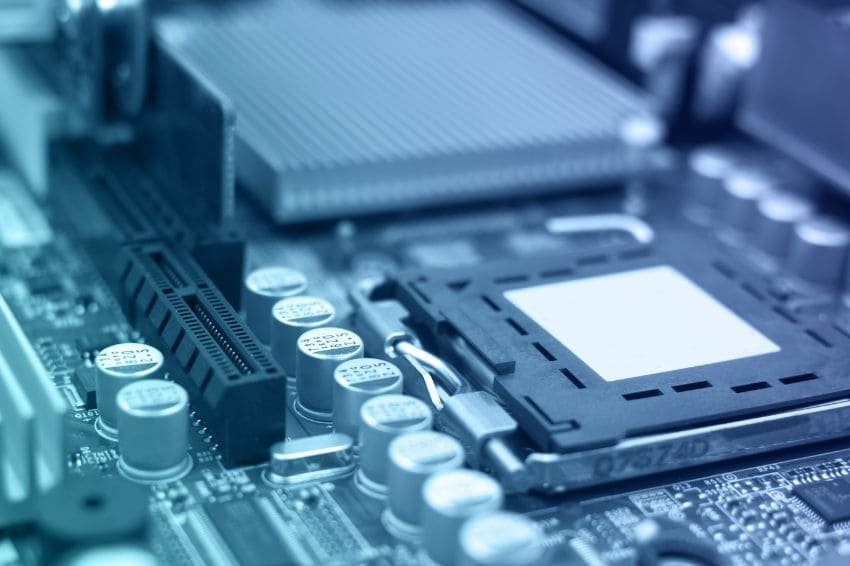
In the relentless race to bring groundbreaking products to market, simply having a brilliant idea isn't enough. The journey from concept to consumer hinges critically on three interconnected pillars: robust Hardware, Features, and Design. Neglect any one, and your innovative vision can quickly crumble into an expensive lesson. This isn't just about making things look good or work once; it's about crafting products that are feasible, reliable, cost-effective, and ultimately, beloved by users.
This guide will demystify the core principles that drive successful hardware development, offering a comprehensive, yet engaging, look at how seasoned professionals approach the art and science of product creation. Whether you're a startup founder, an engineer, or just someone curious about what makes a great gadget tick, understanding these fundamentals is your blueprint for success.
At a Glance: Key Takeaways for Product Builders
- Hardware design isn't just circuitry: It's the holistic creation and testing of all physical components, from chips to casings.
- Principles are your shield: Adhering to fundamental design principles significantly increases your chances of meeting launch dates and cost targets (by 28% and 30% respectively).
- Process is king: A structured, iterative design process (from specifications to prototyping) is non-negotiable for complex devices.
- Digital vs. Analog: Understand the distinct challenges and focus areas of these two core hardware design categories.
- Beyond the board: Hardware design encompasses more than just PCB layout; it's the entire physical product ecosystem.
- Mastering challenges: Budget constraints and technical limitations require strategic material selection, innovation, and continuous learning.
- Future-proof your approach: Emerging trends like AI, IoT, and automation demand constant upskilling and adaptability in hardware design.
What is Hardware Design, Really? Crafting the Physical Heart of Innovation
At its core, hardware design is the meticulous process of creating and testing the physical components that bring electronic devices to life. Think of it as the architect's plan and the builder's craft for the tangible world of technology. This isn't just about drawing pretty pictures; it involves the intricate design and development of everything from the smallest microchip and sensor to the complex circuit boards and processors that power our digital lives.
It demands a profound understanding of electronic circuits, how electricity flows, and how physical materials interact. Without a solid hardware foundation, even the most brilliant software or feature set would have no home.
The Two Sides of the Electronic Coin: Digital vs. Analog
Hardware design typically breaks down into two primary categories, each with its unique challenges and expertise:
- Digital Hardware Design: This is where binary data reigns supreme. Designers in this field focus on creating circuits and systems that process discrete "on" or "off" signals. Think microprocessors, memory chips, and digital signal processors – the brains that handle computation and logic. Their world is about speed, efficiency, and error-free data handling.
- Analog Hardware Design: In contrast, analog designers work with continuously varying signals, mirroring the real world around us. This involves creating circuits for amplifiers, filters, and power management systems. Here, the focus shifts to factors like minimizing noise, managing distortion, and preventing signal attenuation, ensuring a clean and accurate translation of real-world phenomena (like sound or light) into electrical signals.
More Than Just a Circuit Board: Hardware vs. PCB Design
It’s easy to conflate hardware design with printed circuit board (PCB) design, but they're not one and the same. Hardware design is the overarching discipline, covering the entire physical product from concept to manufacturing. It encompasses component selection, enclosure design, power management, thermal considerations, and the overall system architecture.
PCB design, on the other hand, is a critical subset of hardware design. It focuses specifically on the layout and physical design of the circuit board itself – how components are arranged, how traces connect them, and how signals are routed to ensure electrical integrity and minimize interference. While essential, it's just one piece of the larger hardware puzzle.
Why Do Hardware Design Principles Matter So Much? Your Blueprint for Success
You might wonder why investing heavily in "design principles" is so crucial when the rush to innovate often feels more immediate. The answer is simple: adherence to these fundamental guidelines is the cornerstone of efficient, economical, and effective product development. They're not abstract rules; they're battle-tested strategies that lead directly to tangible benefits.
For instance, companies that robustly apply hardware design principles significantly boost their chances of success. Data shows a 28% greater likelihood of meeting product launch dates and a 30% greater likelihood of meeting cost targets. This isn't just about saving money; it’s about staying competitive, delivering on promises, and maximizing your market opportunity. These principles cover everything from confirming product feasibility and ensuring cost-effectiveness to smart materials selection and robust Design for Manufacturing (DFM) strategies. They prevent costly rework, unexpected delays, and customer dissatisfaction.
The Blueprint: Navigating the Hardware Design Process
Developing a new hardware product is an intricate dance, moving from abstract ideas to tangible prototypes and finally, mass production. It’s a multi-stage journey that requires foresight, precision, and iterative refinement.
Here’s a look at the typical hardware design process, step-by-step:
- Outline Project Specifications/Requirements: This is where it all begins. Before you touch a single component, you need a crystal-clear understanding of what your product needs to do. What are its core features? What problems does it solve? What are the key performance indicators (KPIs)? Define both the user experience and the underlying system needs with meticulous detail.
- Feasibility Analysis: Now, put your idea to the test. Is it actually possible to build? This stage often involves conducting a proof of concept (PoC) to validate the core business idea and technical viability. Can the desired functionality be achieved within reasonable technical and budgetary constraints? This saves you from investing heavily in an impossible dream.
- Preliminary Hardware Design: With feasibility confirmed, you start outlining the high-level electronic functions and connections. Which microcontrollers will manage tasks? What kind of display will it use? Which sensors are necessary? Where do the main chips fit into the puzzle? This stage sketches the product’s electronic "nervous system."
- Schematic Circuit Diagram Design: This is where the electrical blueprint comes to life. Using specialized software like Altium or KiCad, you create detailed circuit diagrams that illustrate every component, connection, and signal path. It's like writing the musical score for your device, ensuring every note plays in harmony.
- PCB Design: With the schematic validated, you move to the physical layout of the printed circuit board. This is a complex step, demanding careful consideration of component placement, trace routing, power distribution, and signal integrity. A well-designed PCB is crucial for performance, manufacturability, and electromagnetic compatibility.
- Bill of Materials (BOM) Creation: As your design solidifies, you compile a comprehensive list of every single mechanical and electronic component needed. This includes not just the part number, but also quantities, specifications, and potential suppliers. The BOM is vital for costing, procurement, and manufacturing logistics.
- Prototyping and Iterative Testing: This is where the rubber meets the road. You build initial versions (prototypes) of your hardware to validate functionality, test performance, and refine the user experience. Expect multiple iterations – each test reveals flaws, driving improvements and closer alignment with your vision. This iterative approach is key to early flaw detection.
- Firmware Development: While the physical hardware takes shape, software engineers are busy developing the firmware – the low-level code embedded directly into the hardware. This ensures seamless communication between all the hardware components, dictating how they operate and respond.
- Final Integration and Pre-production Testing: All the pieces come together. The hardware, firmware, and often higher-level software are integrated and subjected to rigorous testing. This includes environmental testing, compliance checks, and final performance validation before scaling up for manufacturing.
Bringing It to Life: The Smartwatch Case Study
To see these principles in action, let's consider a familiar device: the smartwatch. This compact wearable is a masterclass in integrating diverse hardware components within a tight form factor, all while aiming for optimal user experience.
Imagine the intricate balance required:
- Microcontroller or SoC (System on Chip): This is the brain, like an ESP32 or nRF52, handling everything from Bluetooth communication to collecting data from sensors and updating the display. Its selection is critical for processing power, power efficiency, and connectivity options.
- Battery: Often the bulkiest component, its design is focused on maximizing capacity within a small space, all while ensuring low power consumption for a long battery life. This is where hardware features like efficient power management circuits become paramount.
- Sensors: Accelerometers track movement, gyroscopes detect orientation, heart rate monitors gauge your pulse, and SpO2 sensors measure blood oxygen. Each requires precise integration and signal processing.
- Display Screen: Typically a small OLED or LCD, this provides visual feedback and interaction. The hardware design must account for its power draw, refresh rate, and physical mounting.
- Connectivity Modules: Bluetooth Low Energy (BLE) is standard for phone communication, but Wi-Fi or even LTE modules might be included for standalone functionality. These require careful antenna design and power management.
- Haptic Motor: A tiny motor provides subtle vibrations for alerts and feedback, adding a tactile dimension to the user interface.
Every one of these components, from its physical size to its power requirements and interconnections, is a result of careful hardware design decisions aimed at delivering specific features and a compelling user experience.
Mastering the Art: Practical Application & Best Practices
Translating design principles into a successful product requires more than just following steps; it demands strategic thinking, adaptability, and a commitment to quality.
Implementing Principles in the Real World
Let's take a complex device like a computer motherboard. Implementing design principles here means:
- Understanding project requirements and constraints: Is it for a high-performance gaming PC or a low-power industrial server? This dictates component choices and thermal solutions.
- Selecting suitable materials: FR-4 for the PCB, specific metals for heat sinks, and reliable connectors – each choice impacts performance and cost.
- Applying specific design techniques: For a motherboard, this includes meticulous signal integrity analysis to ensure data moves cleanly at high speeds, careful heat dissipation strategies (e.g., component placement, fan headers), and an optimized physical layout that balances component density with ease of assembly.
Overcoming Common Challenges
The path to product success is rarely smooth. Here’s how to navigate common obstacles:
- Budget Constraints: This is a perpetual challenge. Balancing cost and quality often means making strategic trade-offs. Can a slightly less expensive, but still reliable, material be used? Can functionality be phased into later versions to manage initial costs? Creativity and smart component sourcing are crucial.
- Technical Limitations: Sometimes, the technology simply isn't there yet, or the physics are against you. Overcoming this might involve investing in cutting-edge technologies, dedicating resources to R&D, or upskilling your team. Flexibility in design and an open mind to alternative solutions are key.
Key Recommendations for Hardware Success
To truly excel in hardware development, adopt these foundational practices:
- Invest Time in Upfront Planning: The adage "measure twice, cut once" is doubly true here. Thoroughly defining specifications, conducting robust feasibility analyses, and carefully planning your architecture will save immense time and money down the line.
- Ensure Clear Communication Across Teams: Hardware design is inherently interdisciplinary. Mechanical engineers need to talk to electrical engineers, who need to talk to firmware developers. A lack of clear, consistent communication is a fast track to design clashes and delays.
- Adopt an Iterative Design Process: Don't aim for perfection on the first try. Embrace prototyping and testing as continuous cycles. This allows for early detection of flaws, validation of functionality, and refinement of the user experience before committing to expensive production tooling.
- Maintain a Proactive Approach: The tech landscape evolves rapidly. Stay updated with industry trends, invest in continuous learning for your team, and foster a culture of innovation. What was cutting-edge last year might be obsolete tomorrow. Being proactive ensures your products remain competitive and relevant. This foresight is what separates market leaders from those playing catch-up, much like anticipating the next big thing in portable gaming, as seen with devices like the Steam Deck.
Your Toolkit: Leveraging Software and Strategic Tools
In today’s complex hardware design environment, cutting-edge software and tools aren't just luxuries; they're necessities. They empower engineers to visualize, analyze, and validate designs before a single physical component is manufactured.
- CAD (Computer-Aided Design) Software: Tools like SolidWorks, AutoCAD, or Fusion 360 are indispensable for creating detailed, accurate mechanical designs of enclosures, brackets, and custom parts. They allow for precise dimensional control, material simulations, and clash detection, ensuring all physical components fit together flawlessly.
- EDA (Electronic Design Automation) Software: For the electrical side, tools like Altium Designer, KiCad, or Eagle enable schematic capture, PCB layout, and design rule checking. They streamline the creation of complex circuit diagrams and facilitate the intricate routing of traces on multi-layer PCBs.
- Simulation Tools: These are game-changers. Software for thermal simulation helps predict heat dissipation, signal integrity analysis tools verify high-speed data transmission, and power analysis tools ensure efficient energy use. By identifying potential design flaws before manufacturing, simulation saves countless hours and dollars in physical prototyping and rework.
Choosing the right tools for your project depends on several factors: your specific needs (e.g., analog vs. digital, high-speed vs. low-power), your team's capabilities and existing expertise, ease of use, cost (licensing fees can vary wildly), and compatibility with your existing design ecosystem. Don't simply pick the most expensive option; choose the one that best empowers your team and fits your workflow.
Common Pitfalls to Sidestep: Lessons from the Field
Even experienced teams can stumble. Being aware of common mistakes can help you navigate around them:
- Neglecting Upfront Planning: Rushing into design without clearly defined requirements and a thorough feasibility analysis is a recipe for disaster. It leads to constant scope creep, redesigns, and missed deadlines.
- Overlooking Quality Control: Cutting corners on testing or using subpar components to save a few dollars invariably leads to product failures, warranty claims, and reputational damage. Quality is an investment, not an expense.
- Failing to Consider Manufacturing Constraints During Design (DFM): Designing a brilliant circuit that's impossible or prohibitively expensive to manufacture is a common mistake. Engage with your manufacturing partners early and often to ensure your design is optimized for efficient, cost-effective production. This includes considerations like component availability, assembly processes, and testability.
The Team You Need: Essential Expertise for Hardware Design
Building a successful hardware product is rarely a solo endeavor. It requires a diverse team with specialized skills working in synergy. A strong hardware design team typically requires expertise in:
- Electrical Engineering: The core of hardware design, focused on circuit theory, component selection, power systems, and signal integrity.
- Computer Engineering: Expertise in microcontrollers, embedded systems, digital logic, and the interface between hardware and software.
- Mechanical Engineering: Critical for designing enclosures, ensuring structural integrity, thermal management, and selecting appropriate materials for the physical product.
- Materials Science: Understanding material properties, their behavior under stress, thermal conductivity, and manufacturing processes is crucial for component selection and enclosure design.
Often, you'll also need industrial designers for aesthetics and user experience, and firmware engineers to bring the hardware to life with code.
Future Forward: Trends Shaping Hardware Design
The landscape of hardware design is dynamic, constantly reshaped by technological advancements. Professionals in this field must continuously adapt and embrace emerging trends to remain competitive and innovative.
- Automation: From automated test equipment to robotic assembly, automation is streamlining manufacturing processes, increasing efficiency, and reducing human error.
- Artificial Intelligence (AI): AI is beginning to assist in design optimization, component selection, and even defect detection, making the design process smarter and faster.
- Internet of Things (IoT): The proliferation of connected devices demands new approaches to ultra-low power design, miniaturization, and robust wireless connectivity, pushing the boundaries of compact, efficient hardware.
To thrive in this evolving environment, hardware professionals must embrace continuous learning, actively seek out new technologies, and foster a culture of innovation. The focus remains on quality and efficiency, but the tools and methodologies used to achieve them are constantly shifting.
Ready to Build? Your Next Steps Towards Product Success
Navigating the world of hardware, features, and design can seem daunting, but armed with these principles, you're better equipped to embark on your product development journey. Remember, successful hardware isn't born overnight; it's meticulously crafted through careful planning, iterative refinement, and a deep understanding of both technical constraints and user needs.
Start by clearly defining your product's purpose and features. Then, dedicate ample time to feasibility and preliminary design. Embrace the iterative process of prototyping and testing, learning from every iteration. Most importantly, foster clear communication within your team and stay abreast of the ever-evolving technological landscape.
The future of hardware is bright, powered by innovation and driven by a commitment to well-executed design. With these principles as your guide, you're not just building a product; you're crafting an experience.